
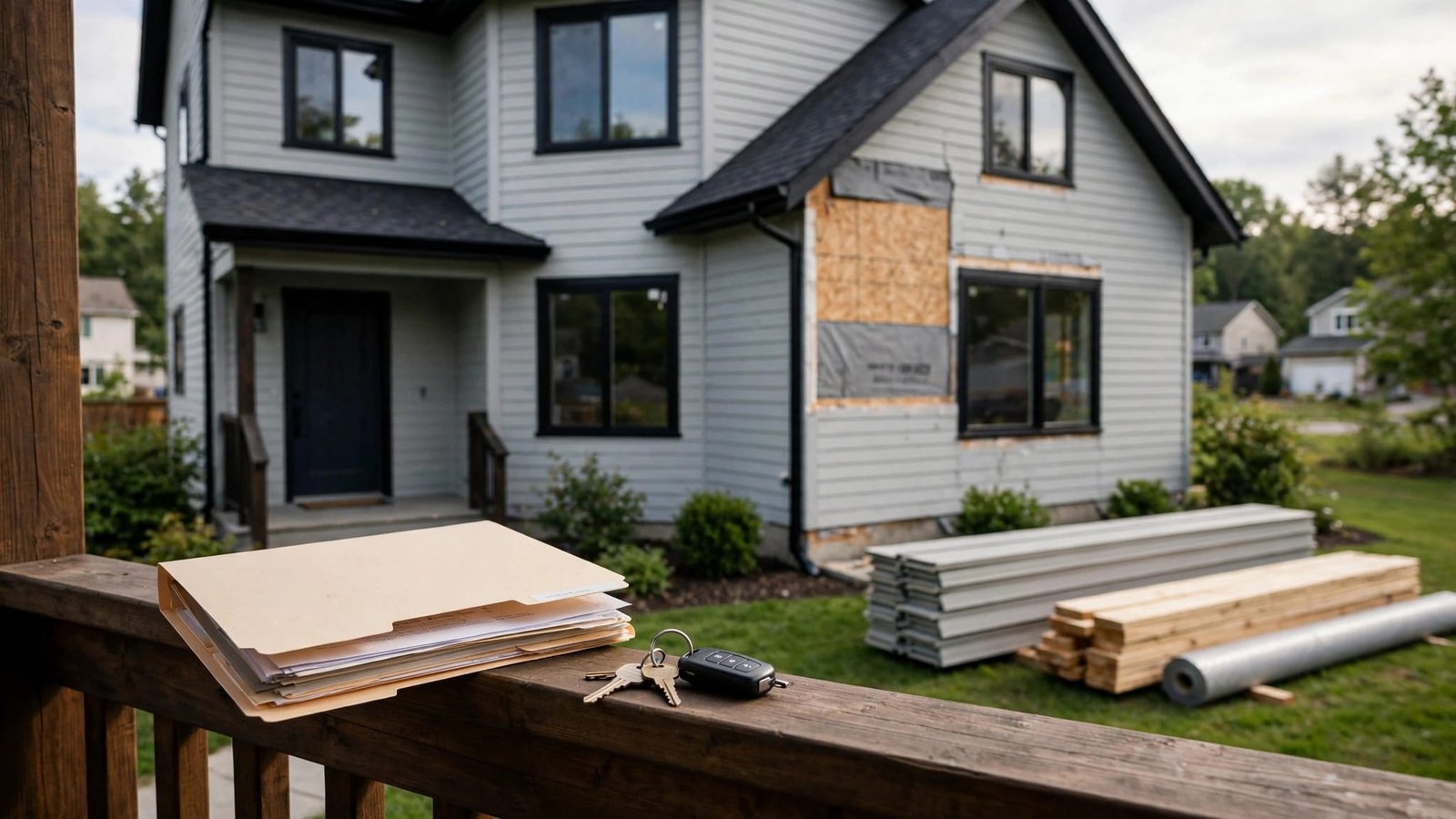
Yes, you can usually sell a house with unpermitted renovations. Start by identifying what was changed, what records exist, and whether the city has issued any notices.
Missing permits can affect the price, financing, and closing requirements. You may be able to get approval after the fact, or sell as-is with disclosure.
We recommend sorting out the paperwork before spending money on repairs. Here is how to separate a records problem from work that needs correction.
Key Takeaways
- Selling as-is usually doesn't remove your duty to disclose known material problems.
- A missing approval record and an open permit require a different response.
- Unpermitted work doesn't automatically prevent financing, but the mortgage provider may require more information or corrections.
- Compare the cost of approval and repairs with your likely sale proceeds before choosing a path.
What Counts as Unpermitted Work?
Unpermitted work is construction completed without an approval that was required when the work was done. A missing document doesn't establish that by itself.
Projects That Deserve a Records Review
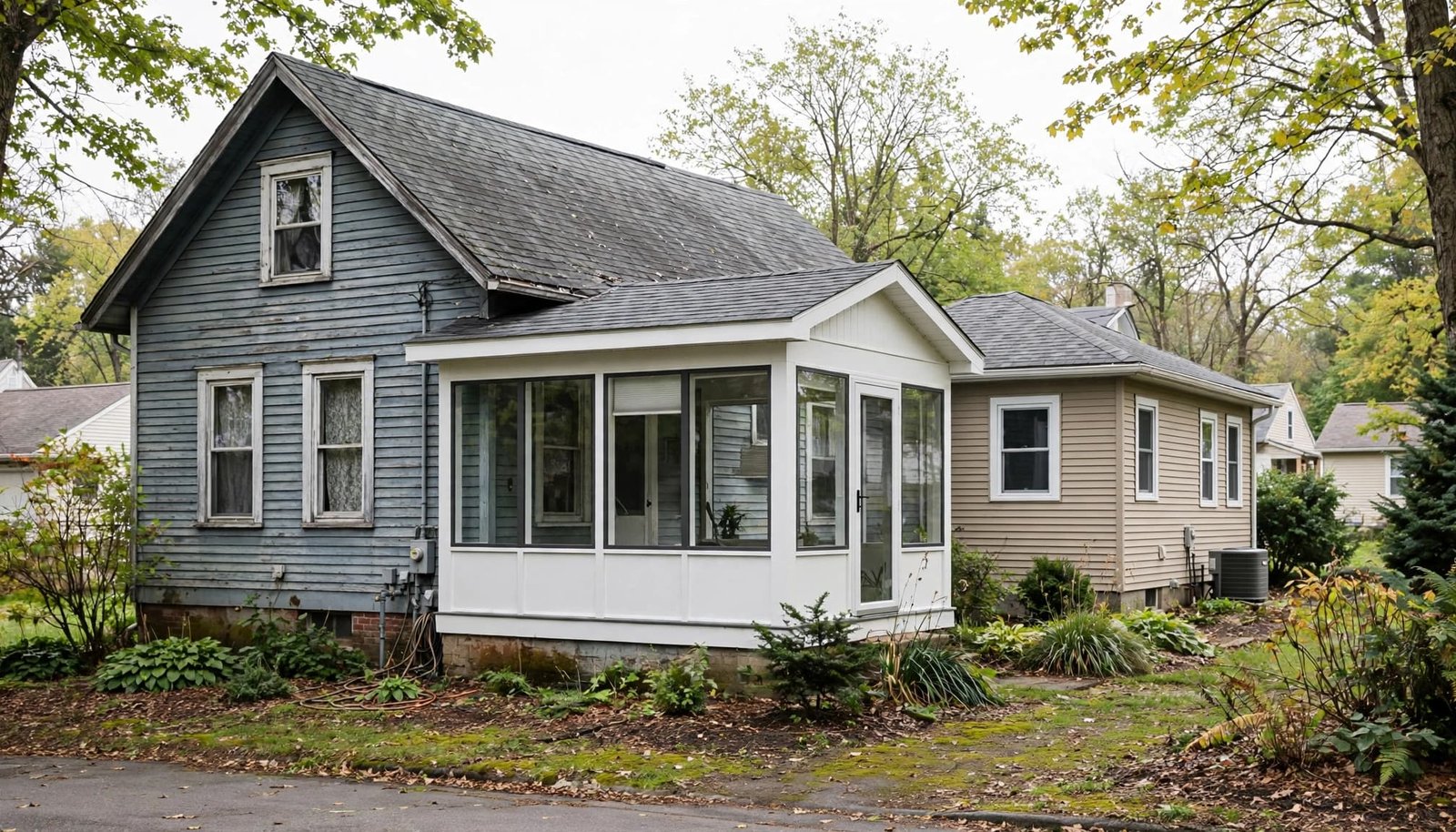
Review additions, garage conversions, enclosed screened porches, finished attics, separate apartments, and changes to basement use. Added bathrooms, relocated plumbing, and removed walls also deserve attention.
Pools and replacement windows may have separate approval histories. A pool approved under an older code isn't automatically unpermitted. Window work by an unlicensed contractor raises separate licensing and approval questions.
Cosmetic changes aren't always subject to the same rules. New cabinets and paint are different from moving plumbing or changing a load-bearing wall.
Different Records Problems Need Different Fixes
Use the record status to identify the next step.
| Record Problem | What It Means | Typical Response |
|---|---|---|
| Required approval not found | Required approval hasn't been located | Search archives or pursue after-the-fact approval |
| Open permit | Approval was issued but has no final sign-off | Complete outstanding inspections or paperwork |
| Building violations | The city has cited a condition | Address the notice and obtain required clearance |
| Occupancy discrepancy | Actual use differs from authorized use | Establish legal use or change the space |
These issues can overlap. A garage conversion may have an open electrical permit and an unauthorized living-space use.
Find the Records Before Choosing Repairs
We recommend collecting the paperwork first. It helps you describe the problem accurately and avoids paying for work that doesn't resolve it.
Gather Permits, Inspections, and Notices
Search municipal building records using the address and parcel number. Pull applications for the work, inspection results, final approvals, and violation notices.
Compare those records with the house's current layout. Tax records showing extra square footage aren't the same as building-department approval.
Keep contractor invoices, plans, and reports you already have. If a required permit can't be located, describe that uncertainty rather than claiming the work was approved.

New York City Has Separate Records and Occupancy Questions
NYC's Department of Buildings directs owners to both DOB NOW and BIS for building information. Searching only one system can leave gaps.
Under the city's Certificate of Occupancy guidance, buildings constructed before 1938 generally don't need a Certificate of Occupancy unless later alterations changed their use, exits, or occupancy. A Letter of No Objection may help establish legal use for an exempt building.
That exemption doesn't approve every later renovation. Have a local attorney address how occupancy records affect your sale.
Disclose What Is Known Before the Contract
A seller who has unpermitted renovations should give buyers a clear description of what is known. Include the affected rooms, available records, and any city notices.
In most states, an as-is sale doesn't erase disclosure duties. Exemptions and required forms vary, including for some estate transfers. These are general legal points; have a local real estate attorney confirm the requirements for your sale.
New York Requires Disclosure Before a Binding Contract
Covered residential property owners generally must deliver New York's Property Condition Disclosure Statement before the buyer signs a binding purchase contract. The form asks about a Certificate of Occupancy, which can confirm a property's legal use.
Answer from your actual knowledge. If the previous owner added a bathroom and you can't locate approval, explain what you know without guessing who obtained permits.
Florida Requires Disclosure of Certain Material Facts
Florida's rule under Johnson v. Davis covers known material facts that affect value, aren't readily observable, and aren't known to the buyer. A Florida Senate legal analysis explains that duty.
Known unpermitted construction can fall within it. Nondisclosure can lead to litigation, but available remedies depend on the facts and legal claims.
Give your attorney the notices and records before signing. Don't rely on the words "as-is" to replace that discussion.
How Unpermitted Work Affects Financing and Value
A buyer's agent may compare the listing with public records. An inspector may flag altered framing, added plumbing, or a converted garage. A mortgage reviewer or appraiser may then require an explanation.
The type of work matters. An undocumented room addition presents different questions than work awaiting its final sign-off.
Fannie Mae's Selling Guide appraisal requirements require an appraiser who identifies an addition without a required permit to discuss its quality, appearance, and any effect on market value. That isn't an automatic loan rejection.
There also isn't a blanket Fannie Mae rule excluding every unpermitted addition from value solely because it lacks a permit. Measurement standards, condition, legal use, market evidence, and lender requirements affect the result.
Don't price undocumented space as though it carries the same value as approved living area. Even when an appraiser recognizes value, the lender may still require corrections or additional documentation.
Choose Between Approval, an As-Is Sale, or a Credit
When required approval can't be found, these are the main paths. The right choice depends on cost, financing, and municipal requirements.
Apply for a Retroactive Permit
After-the-fact approval can involve plans, professional reports, permit fees, inspections, penalties, and corrective construction. Inspectors may need access behind finished surfaces.
Start with the scope of approval needed. Then get written estimates for the related work. Those charges are only part of the total.
This route may make sense when approval would restore financing options or support a higher sale price. It may not pay when corrections cost more than buyers will return.
Sell As-Is With Full Disclosure
You can sell the property as is through an agent or consider a direct cash sale. Price the unresolved work honestly and provide the records early.
A cash offer is usually below full retail market value in exchange for avoiding repairs, showings, agent commissions, and buyer mortgage approval. Cash buyers can still investigate and renegotiate under their contracts.
Our cash home-selling process starts with the property details. We review permit issues directly or with a vetted local buyer and explain how they affect the offer.
Offer the Buyer a Credit
A negotiated credit can help a buyer handle permitting after closing when financing terms and the contract allow it. The agreement should assign responsibility clearly.
A repair credit doesn't resolve a condition the lender or municipality requires corrected before closing.
Credits work only when the sale can legally and financially proceed with the issue outstanding. They aren't a substitute for required approvals.
Decide Whether Fixing the House Will Pay
A house may not be worth fixing for a sale when the likely price increase won't cover the full cost and risk. That includes more than the contractor's bid.
Compare permit expenses, professional fees, corrections, loan costs, insurance, taxes, utilities, and the time you would continue owning the property. Subtract selling expenses from the expected sale price.
Then compare that result with an as-is offer. Our guide to comparing cash offers explains how to evaluate the contract and proceeds, not just the headline price.
If you already have an engineer's report or contractor bid, share it. A documented repair scope reduces uncertainty. You don't need to order a report before requesting our offer.
If your priority is selling your house fast, explain the deadline early. If you have time and approval would make the home more marketable, a traditional listing may net more.
Questions About Selling With Missing Permits
Can a Permit Be Obtained Years After the Renovation?
Often, an after-the-fact application is possible. Approval depends on the work, records, zoning, and applicable requirements.
Time alone doesn't establish approval. The building department may require drawings, inspections, or changes before signing off. An old renovation can still be expensive to legalize.
Does Paying a City Fine Make the Renovation Legal?
Usually not. A penalty addresses the violation charge. It doesn't necessarily provide formal approval, approve concealed construction, or authorize a different use.
Keep proof of payment, but distinguish it from inspection approval and formal violation clearance. A paid receipt doesn't show that every required step is complete.
Does a Cash Buyer Remove Every Closing Obstacle?
No. Cash removes buyer mortgage approval, but title defects, municipal transfer requirements, and liens can still affect closing.
The title company or closing attorney handles title and payoff work. The purchase agreement should explain who handles outstanding obligations and which conditions must be met before funds are released.
Sell With a Clear Account of the Work
If you need to sell your home with unresolved work, provide honest details and clear terms about what remains unresolved.
At Who Buys Houses Fast, we buy houses as-is, including homes with unpermitted work. Send the address, describe the changes, and share any notices or reports you have. You pick the closing date, and we work toward your timeline while addressing title and municipal requirements.
If a cash sale fits your situation, Get My Cash Offer. There's no obligation to accept.