

To compare cash offers, look at the money you keep, the buyer's ability to pay, and the contract terms. Ask each buyer for a written offer showing every deduction and who pays each closing cost.
A higher price can leave you with less if fees, repair deductions, or cancellation rights change the deal. We recommend putting the offers side by side before signing anything.
Key Takeaways
- Compare your estimated proceeds after fees, repairs, closing costs, and the cost of waiting.
- Ask for proof of funds and read the clauses covering inspections, assignments, cancellation, and price changes.
- Compare the strongest cash offer with a realistic listing estimate. An updated house may earn you more on the open market.
Know What Each Buyer Is Offering
Direct Buyers and Wholesalers
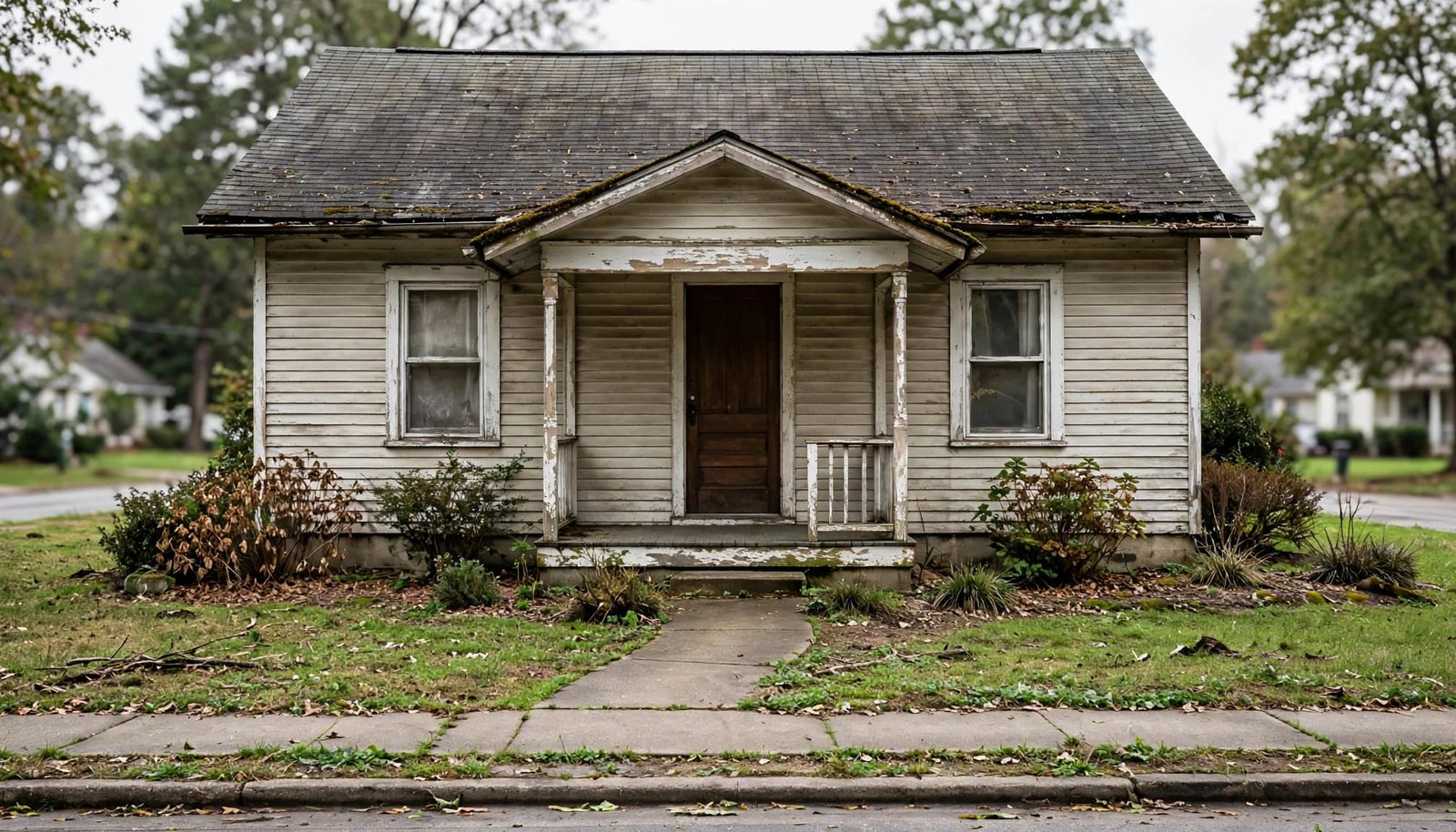
A direct cash buyer purchases the property. A wholesaler usually puts the house under contract, then assigns that contract to another buyer for a fee.
That difference affects certainty. If someone else must agree to buy before your sale can close, you need to understand that condition. Ask whether the buyer named in the contract will sign and fund the purchase, or whether another buyer must step in.
Cash buyers usually offer below full retail market value, sometimes substantially below it. Their price must cover repairs, ownership expenses, resale costs, and profit. A cash investor may plan to rent the house or resell it, and each plan can lead to a different offer.
Ask which nearby sales support the price. The buyer should explain differences in condition, size, location, and repair needs.
iBuyers, Marketplaces, and Bridge Programs
An iBuyer such as Opendoor or Offerpad may charge a service fee, and repair deductions can reduce the final amount. Compare an iBuyer's final written price after the property assessment, not an initial estimate.
A cash offer marketplace introduces sellers to buyers. Ask who signs the purchase agreement and whether the marketplace charges sellers.
Bridge programs, including programs associated with Knock or Homeward, may provide a bridge loan to fund a move before the existing house sells. Unlike an outright cash purchase, a bridge loan has repayment terms, program charges, interest, and later selling costs to compare. The CFPB's guide to loan costs explains why borrowing costs extend beyond the advertised rate.
Compare Cash Offers With the Same Net Math
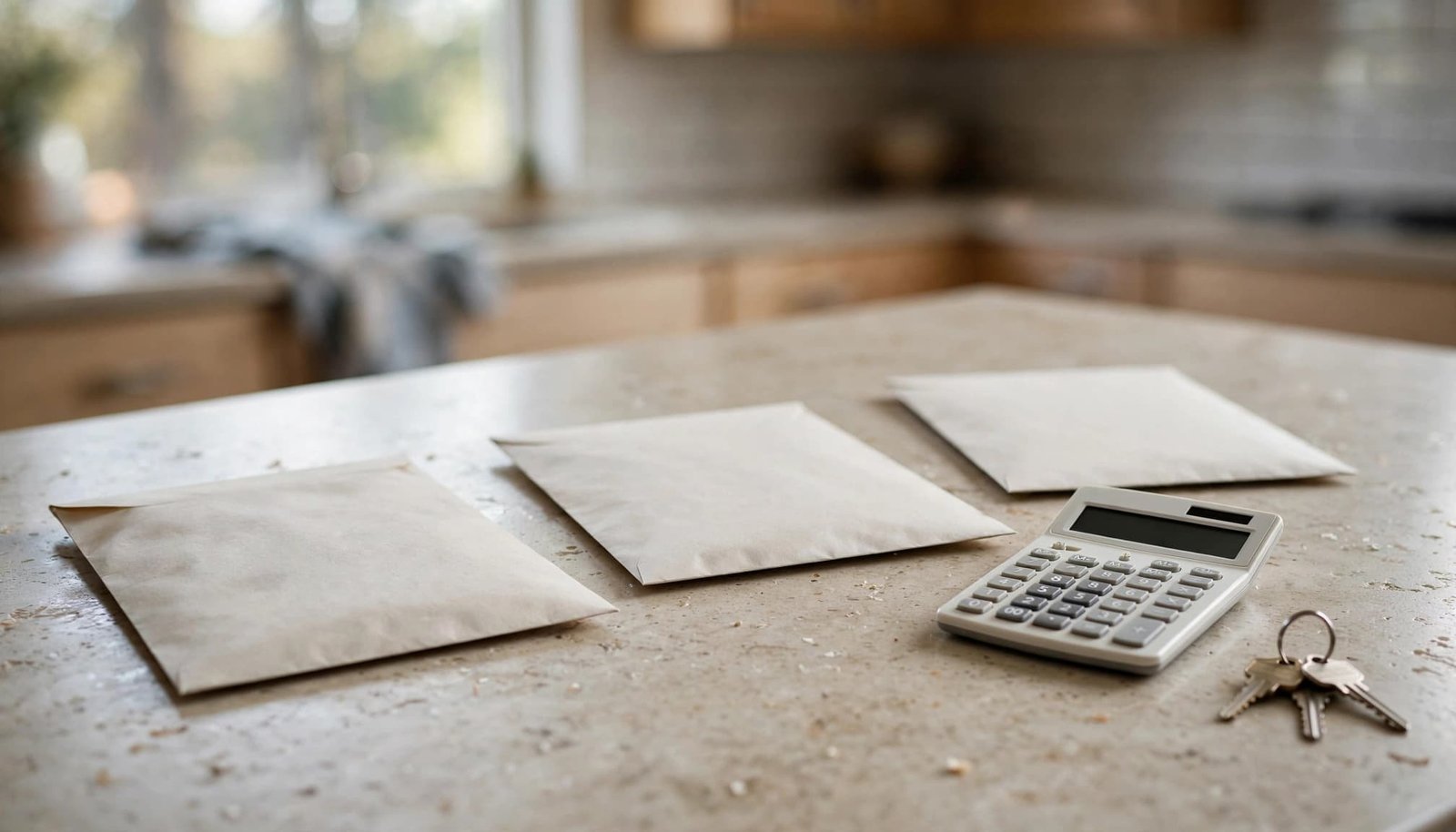
Start with each purchase price. Subtract fees, repair deductions, seller concessions, and closing costs assigned to you. Then subtract the ownership costs you expect to pay before closing.
Use the same cost categories for Offer A, Offer B, and your listing estimate.
| Item | Offer A | Offer B | Listing Estimate |
|---|---|---|---|
| Starting price | Written purchase price | Written purchase price | Realistic sale price |
| Fees and repair deductions | Contract charges and deductions | Contract charges and deductions | Agent compensation and expected repairs |
| Seller closing costs and concessions | Your assigned costs and credits | Your assigned costs and credits | Your estimated costs and buyer credits |
| Carrying costs | Costs through closing | Costs through closing | Costs through expected closing |
| Estimated proceeds before debt payoff | Price minus the above | Price minus the above | Price minus the above |
| Mortgage payoff and other liens | Estimated payoff and property charges | Estimated payoff and property charges | Estimated payoff and property charges |
| Estimated money after payoff | Proceeds minus debts and charges | Proceeds minus debts and charges | Proceeds minus debts and charges |
| Proof of funds | Provided or not provided | Provided or not provided | Not applicable |
| Earnest money | Amount and deposit deadline | Amount and deposit deadline | Amount and deposit deadline |
| Inspection and cancellation terms | Inspection period and cancellation rights | Inspection period and cancellation rights | Inspection period and cancellation rights |
| Other contingencies | List any conditions | List any conditions | List any conditions |
| Closing date and extensions | Written date and extension terms | Written date and extension terms | Expected date and extension terms |
The strongest offer combines useful proceeds with terms the buyer can meet.
After estimating proceeds before debt payoff, subtract the mortgage payoff, other loans, liens, and unpaid property charges. This estimates the money available after closing.
Avoid double-counting. If you include full mortgage payments while waiting, use the projected payoff at closing. Don't subtract property taxes again if they're already included in your estimate.
Ask the closing company for a seller net sheet with separate line items. For a financed-sale comparison, the CFPB's Closing Disclosure explainer explains how transaction costs appear.
On houses we purchase directly, we charge no fees or agent commissions and pay normal closing costs in a standard sale. Your debts and prorated taxes still come out of proceeds. A partner buyer's written agreement controls its cost allocation.
Confirm the Buyer Can Actually Close
Read the Proof of Funds
Ask for a recent bank statement or funding letter showing the buyer's name, the institution, the date, and enough available funds for the purchase. Account numbers can be redacted.
The name should match the purchasing entity or come with an explanation of the relationship. A document belonging to an unrelated investor needs more explanation than "that's our partner."
A mortgage preapproval doesn't show that cash is available. If private funding is involved, ask whether it's committed or still subject to approval.
Have the closing company review the funding evidence. A screenshot alone isn't enough, and proof of funds doesn't replace receiving the purchase money at closing.
Identify the Company and Closing Agent
Look up the cash buyer's legal business name in the relevant state business registry. Match it to the contract and funding documents. Registration identifies an entity, but it doesn't prove the buyer can perform. Ask the named cash buyers which party will fund and complete the purchase.
Read independent reviews for repeated complaints about late price cuts, missed closings, or unanswered calls. Ask who will handle your file.
Independently verify the company and closing agent to help avoid scams. Look up the closing agent's phone number yourself, and call the closing company directly to confirm any unexpected change to wiring instructions. Use a licensed title company or real estate closing attorney.
We use that same third-party closing structure in our cash home-selling process.
Read the Clauses That Can Change the Deal
Inspection Rights and Price Changes
"As-is" means you aren't agreeing to make repairs. It doesn't automatically prevent inspections, cancellation, or requests for a lower price.
Read when the buyer can inspect, when that right ends, and whether the buyer can cancel for any reason. A long cancellation period can leave you waiting while the buyer decides whether to proceed.
Ask what could change the price after acceptance. Visible damage should already be reflected in the offer. Undisclosed structural damage or a title problem may require a different discussion.
An as-is offer can still contain a broad cancellation clause. The repair promise and the buyer's right to walk away are separate terms.
Cash offers are often presented as take-it-or-leave-it. You can still ask for changes before signing. If the buyer refuses, decide whether those limits work for you.
Assignments, Deposits, and Other Conditions
Look for "and/or assigns" beside the buyer's name and any separate assignment clause. These may let the buyer transfer the contract to someone else.
Ask whether your consent is required, whether the original buyer remains responsible, and whether closing depends on finding another purchaser.
Read the earnest-money terms too. The agreement should state the deposit, who holds it, when it must arrive, and when it becomes nonrefundable.
A transaction presented as cash may still have a financing contingency. That can let a financed buyer cancel or delay closing if a loan isn't approved. Appraisal, permit, zoning, or resale contingencies can also weaken a cash offer. Have a local real estate attorney explain unfamiliar clauses and their effect under your state's law. Never sign under pressure.
Put the Closing and Move-Out Dates in Writing
A company saying "we buy houses fast" hasn't told you when it can complete your sale. The written agreement needs a defined closing date and clear extension terms.
With us, you choose your preferred closing date, and we work to your timeline. Title issues, probate authority, unresolved liens, or missing signatures can affect what is possible.
Compare possession terms separately. Closing day and move-out day aren't always the same.
If you need to stay after closing, put the occupancy arrangement in writing. It should address access, utilities, insurance responsibilities, property condition, and any money held back.
For an occupied rental, tell the buyer about leases, deposits, unpaid rent, and tenant disputes. The contract should explain what transfers with the property and whether vacant possession is required.
Compare the Cash Offer With Listing
Listing may net more when the house is updated, marketable, and you have time. A cash sale is usually below full retail value, but it can mean fewer steps, no repair work, no showings, and no agent commissions. It also carries less financing risk.
Ask a local realtor or listing agent for a price opinion based on the home's actual condition. Compare an as-is offer with a realistic estimate of the home's market value in its current condition, not a fully renovated price unless you subtract renovation costs.
Factor in negotiated commissions, preparation, concessions, and carrying costs during the expected listing and closing period. Separate a likely sale price from an optimistic asking price.
Our guide to selling your house fast compares the available routes. If you need to sell fast, weigh the pros and cons of each option. Treat the cash offer as a benchmark, not a guaranteed fallback after its written expiration date.
If listing leaves you meaningfully ahead and the wait is manageable, it deserves serious consideration.
Keep Taxes Separate From Your Closing Proceeds
The money deposited after closing isn't necessarily your taxable gain. Mortgage payoff affects your cash proceeds, but it doesn't determine your tax basis.
The IRS's guidance on selling your home explains how selling expenses, adjusted basis, and eligibility for a home-sale exclusion affect federal tax treatment.
Inherited homes and rental properties can raise different tax questions. Ask a tax professional to review your situation before treating the entire closing payment as spendable money.
Transfer taxes, recording charges, and property-tax adjustments also affect proceeds. Their treatment depends on the location and contract. Have the closing professional show these items separately, and ask a local attorney or tax professional about state-specific obligations.
Frequently Asked Questions
Should the Highest Cash Offer Win?
Only if its net proceeds and terms hold up. A higher offer with broad cancellation rights or unresolved funding may be less useful than a lower, documented offer.
We recommend resolving those differences before accepting. Don't count on verbal promises to fix unclear contract language.
How Much Lower Should a Cash Offer Be?
There isn't a discount that fits every house. Condition, local demand, repair costs, resale expenses, and the buyer's plans affect the price.
Ask the buyer to explain the comparable sales and repair assumptions. An inability to explain the calculation is a warning sign. Compare that price with your likely listing proceeds.
What If the House Needs to Sell Quickly?
Prioritize committed funding, a defined closing date, limited cancellation rights, and title work that can be completed within your deadline.
If foreclosure, probate, or divorce affects the sale, involve the appropriate attorney. A signed purchase agreement alone doesn't resolve those proceedings or stop a legal deadline.
Choose an Offer With Clear Terms
The right cash offer gives you a clear price, a documented funding source, and terms that fit your move. A high opening number doesn't make up for uncertain deductions or an open-ended contract.
If you're asking, "Should I sell my house for cash?", we buy some homes directly and connect other sellers with vetted local cash buyers. You can Get My Cash Offer without obligation, then compare the written terms with your other options before deciding.