
Who Buys Houses Fast in Connecticut? Sell Your Connecticut House Fast
Colonials in Hartford suburbs, triple-deckers in New Haven, and shoreline cottages all sell here. Send your address and get a cash offer for the house exactly as it stands.
Get Your Connecticut Cash Offer
Enter the property address. It takes about a minute.
- No repairs or cleaning
- No agent commissions
- You pick the closing date
Sell Your House Fast in Connecticut
Who buys houses fast in Connecticut? Cash buyers do, and Who Buys Houses Fast helps Connecticut homeowners reach them. Enter your address, answer a short survey, and we review the property. If it fits, we make a cash offer, either buying it directly or through a vetted local buyer who works your county. The house sells as-is, with no repairs and no agent commissions. It is a plain alternative to listing.
Connecticut sellers often come to us with older houses and real deadlines. A 1920s colonial with knob-and-tube wiring and an oil tank. A multi-family in Bridgeport with deferred repairs. A home in Waterbury where taxes are behind. An inherited cape in Eastern Connecticut that the family never planned to keep. Traditional listings can drag when buyers want inspections, repair credits, and mortgage approvals. A cash offer lets you skip all of that and move forward.
We keep it direct. You usually hear back with an offer within 24 hours of sending the details. If you accept, a Connecticut closing attorney handles the paperwork, which is standard here, and you pick the closing date. When title is clear, closings often take as little as 7 to 14 days. You owe nothing for asking, and there is no obligation. Ask us anything before you decide. Nothing is pushed.
Selling a House in Connecticut: Local Rules to Know
- Foreclosure process
- Connecticut is a judicial foreclosure state, so the lender must file a court case. Courts can order a foreclosure by sale or, in some cases, strict foreclosure, where title passes after a set law day if the owner does not redeem.
- Who handles closings
- Attorney closings are the norm. A Connecticut attorney typically handles the title search, deed, and closing statement.
- Conveyance tax
- Sellers pay the state conveyance tax, which is 0.75 percent on the first tier of the price, plus a municipal tax of at least 0.25 percent. Some municipalities add more, and higher price tiers carry higher state rates.
- Seller disclosure
- Sellers must give a Residential Property Condition Report or credit the buyer a fixed amount at closing instead. Cash buyers commonly buy as-is.
- Heating oil and tanks
- Many Connecticut homes still heat with oil. Buried or leaking tanks, and the cleanup that follows, can complicate a traditional sale.
- Old wiring and lead paint
- A large share of the housing stock predates 1978, so lead paint and outdated electrical systems come up often in inspections.
- Probate
- Estates go through the Probate Court in the district where the person lived. Simpler estates can use a streamlined process, but timelines depend on the court.
- Property taxes
- Taxes are set by each town and are a common burden on owners. Back taxes can lead to tax liens and, eventually, tax foreclosure.
General information for homeowners, not legal or tax advice. Rules change, so confirm details with a local attorney or title company.
What Home Sellers Say

Quick sell.

If you want to sell your house, these are the guys to work with. Excellent communication and attention to detail throughout the entire process. They made what could have been a stressful experience smooth and seamless.

This was a great team that took care of me so 5 stars is great for them

Great team to work with, had a great experience
Real Google reviews from home sellers, shown word for word.
Selling a House in Connecticut When Life Gets Complicated
- Crumbling or cracked foundationFoundation problems can make a house hard to finance and hard to insure. We consider houses with foundation concerns as-is, so you do not have to pay for engineering reports and costly remediation before listing.
- Multi-family with repairs and vacanciesTriple-deckers and two-families in cities like Bridgeport, Hartford, and New Britain often carry deferred maintenance. We can look at occupied or vacant buildings and talk through a cash purchase.
- Estate or inherited houseIf a parent left a house in Connecticut and you live elsewhere, an attorney can guide you through probate while we work from the address and survey. We can often set the closing around the court timeline.
- Back taxes or foreclosure pressureWith a judicial foreclosure, the case can move to a law day or sale date. Selling before then may preserve equity and protect your credit. Reach out early so there is time to work.
Whatever is going on, Who Buys Houses Fast can make a cash offer on your Connecticut house as-is. No repairs, no agent fees, and you pick the closing date.
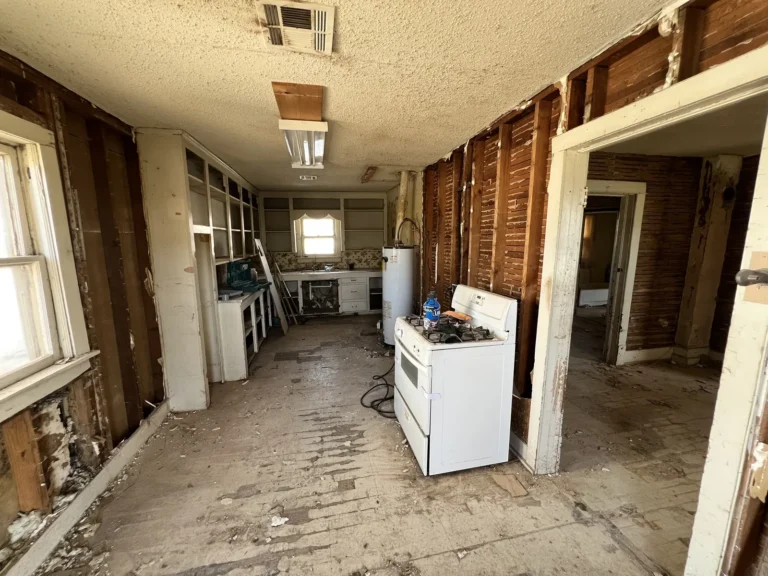
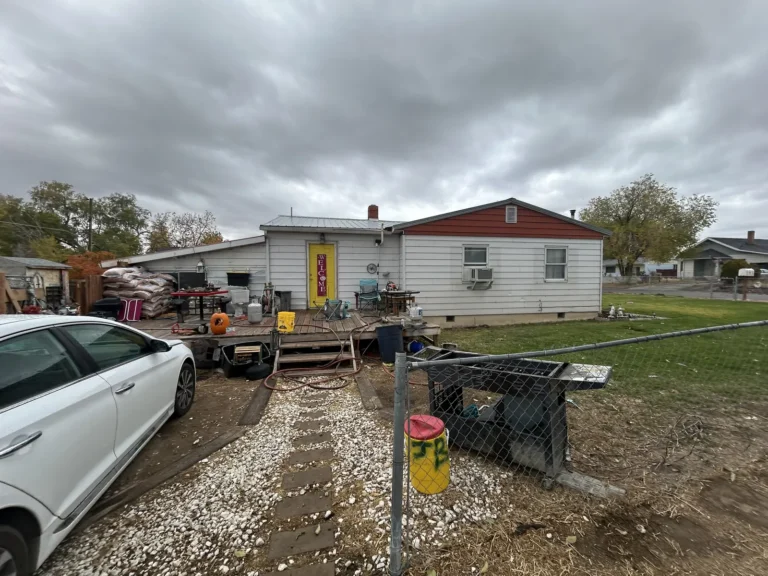
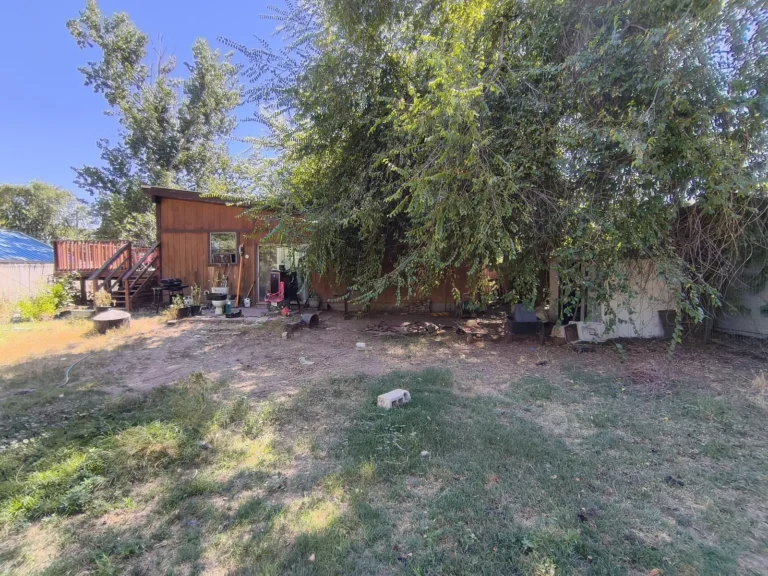
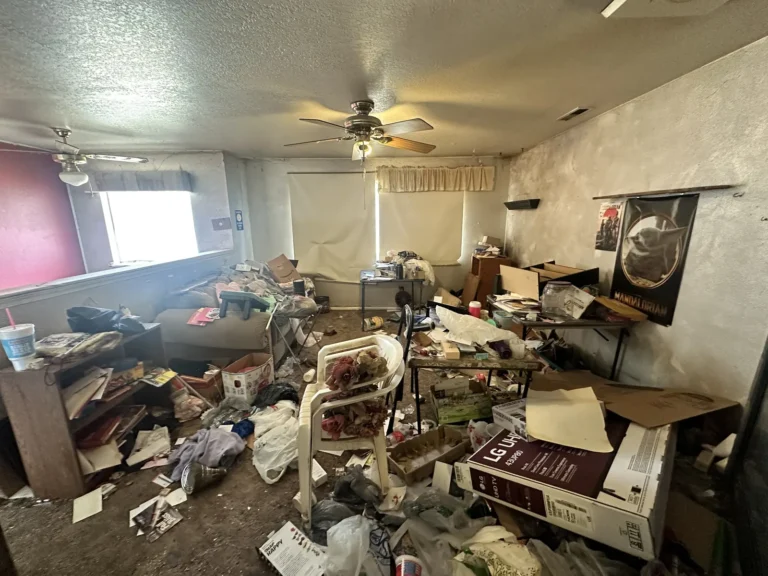
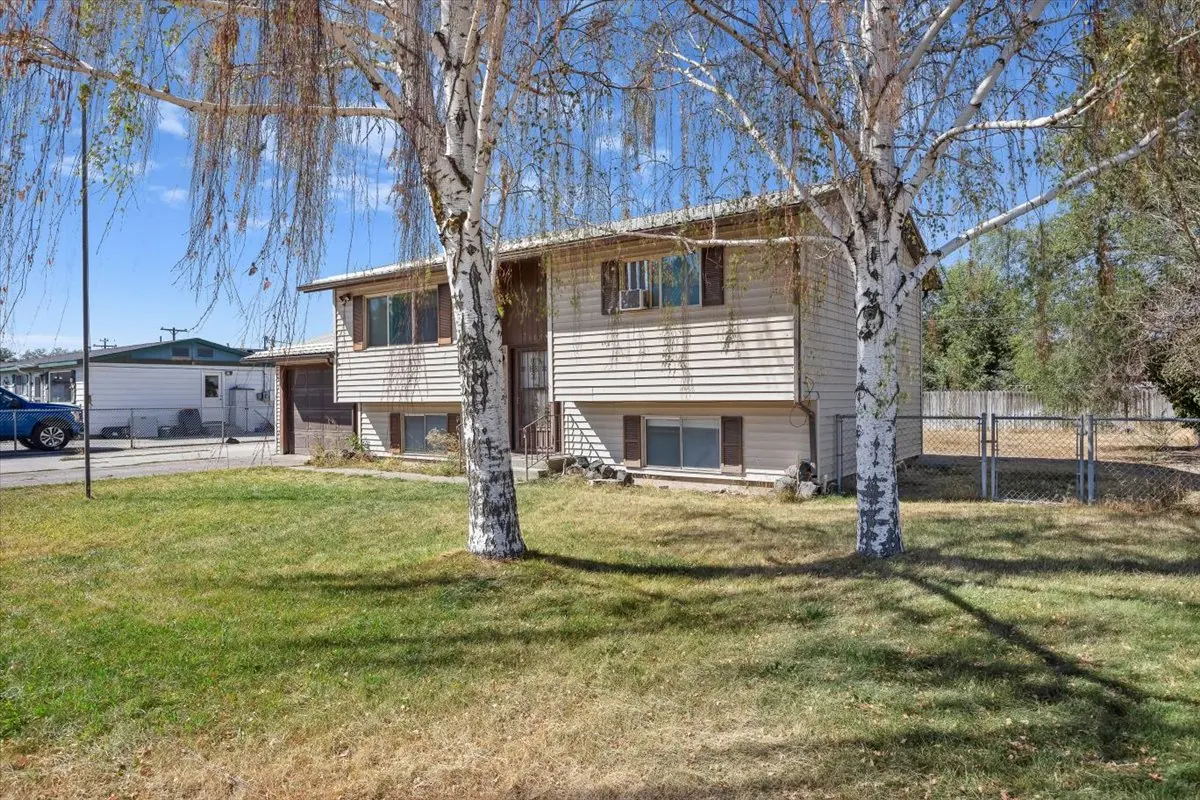
Real houses from real cash sales. As-is, nothing staged.
What Connecticut Houses and Owners Are Dealing With
Connecticut housing varies by town more than most states. Fairfield County has commuter towns like Stamford, Norwalk, and Danbury, with older colonials and mid-century splits. Hartford County mixes triple-deckers in Hartford and New Britain with suburban capes in Manchester and Bristol. New Haven County includes Waterbury, Meriden, and the shoreline, where flood zones and salt air cause real wear. Eastern Connecticut, including Norwich and New London, has older mill-town housing, while the Litchfield hills bring wells, septic systems, and long driveways that add inspection items.
Winters here are tough on houses. Freeze-thaw cycles crack foundations and stone walls, ice dams wreck roofs, and wet basements are common in houses from the 1940s and 1950s. Pyrrhotite crumbling foundations in parts of the northeast and central areas of the state have hit some owners hard, and even suspected issues can scare off financed buyers and lenders. Oil tanks, aging boilers, and old slate or wood shingle roofs add to the tally, and each one gives a financed buyer something to negotiate over.
A fast sale appeals to Connecticut owners for several reasons. Taxes and insurance costs keep rising. Landlords with multi-family houses face repair bills and vacancy. Families settle estates in Hartford, Bridgeport, and New London counties while living elsewhere. Retirees downsize to warmer states. A cash purchase can bypass inspection demands and repair negotiations that often derail a standard sale. That uncertainty is exactly why a sale that does not depend on lender approval can be attractive when time matters. Cash can be a calmer path.
How to Sell Your House Fast in Connecticut
Three steps whether you are in the middle of Connecticut or out at the edge of it.
- Step 1
Fill Out the Form
Tell us the address and a few details about the house. It takes about a minute.
- Step 2
Get Your Cash Offer
We review the property and send a no-obligation cash offer, usually within 24 hours of getting the details.
- Step 3
Get Paid
Pick a closing date that works for you. A title company or closing attorney handles the paperwork and the funds.
Areas We Serve in Connecticut
- Hartford
- New Haven
- Bridgeport
- Stamford
- Waterbury
- Norwalk
- Danbury
- New Britain
- Meriden
- Bristol
- New London
- Norwich
- Fairfield County
- Litchfield County
Cities We Buy Houses In Across Connecticut
Local pages for some of the larger Connecticut cities. We buy everywhere in the state, including small towns and rural land.
Selling Your House in Connecticut: FAQ
Who buys houses fast in Connecticut?
Cash buyers, including investors and the vetted network behind Who Buys Houses Fast, buy Connecticut houses as-is. You send your address and a short survey. We review it and make a cash offer, usually within 24 hours of getting the details. You choose whether to accept and pick the closing date.
Do I need an attorney to sell my house in Connecticut?
In practice, yes. Connecticut real estate closings are normally run by an attorney, who handles the title search, deed, and closing documents. The buyer side generally covers normal closing costs in our process, and we can explain what your net looks like before you commit. Because the attorney is in charge of the closing, you will have a professional reviewing every document before you sign.
Who pays the conveyance tax in Connecticut?
The seller pays. The state tax is 0.75 percent on the first tier of the sale price, with higher rates on higher tiers, and a municipal tax of at least 0.25 percent is added. Some towns charge more. Your closing attorney will calculate the exact amount. It helps to ask for an estimate early so there are no surprises at the table.
Is Connecticut a judicial foreclosure state?
Yes. A lender must file a court case, and a judge can order a sale or strict foreclosure. Timelines can be long, but the process has real deadlines. If you have received court papers, it is smart to explore options before a law day or sale date is set. Court deadlines do not wait.
Do I have to fix foundation or oil tank problems first?
No. We buy houses in their current condition, including foundation cracks, old oil tanks, outdated wiring, and wet basements. The offer takes the condition into account, and you do not need to pay for repairs or reports before selling. You decide whether the offer works for you, and we will explain how we arrived at it. If title is clear and the attorney is ready, closing can be quick, but you set the pace.
Get a Cash Offer on Your Connecticut House
Connecticut houses come with history, and sometimes with problems no one wants to pay to fix. If you need to sell a house that is old, damaged, inherited, or simply unwanted, Who Buys Houses Fast can give you a clear cash offer with no repairs and no commissions. Enter your property address and we will follow up with the next steps.
Who Buys Houses Fast in Connecticut? We Do.
Enter the address to get your free, no-obligation cash offer.